Sports Model BMW vs. Adventure Bike: R 1300 GS, R 1300 GS Adventure, or F 900 GS for You?
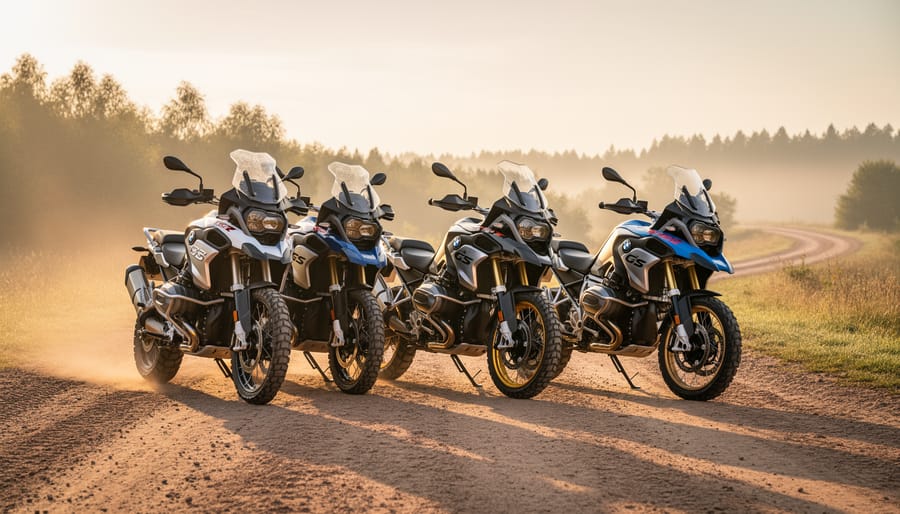
If you want one sporty, capable BMW that does almost everything, the R 1300 GS is the answer. It’s the top model of BMW’s Adventure lineup, and in our hands-on evaluation it earned that spot by being just as comfortable on a tight Toronto-area back road as it was when the pavement quit. The R 1300 GS Adventure takes that formula further for long-distance riders, with the automated shift assistant and optimised ergonomics making big days feel less like work. And if you’d rather have something lighter and more off-road focused, the F 900 GS pairs a powerful engine with a sleek body and stays uncompromising when the trail gets rough.
So the real question isn’t which bike is best. It’s which one fits how you actually ride. As former riders ourselves, we’ve seen plenty of people buy for the dream trip and then spend 90 percent of their saddle time commuting and doing weekend loops. Be honest about that split before you commit, because it changes the answer. Below, we compare all three side by side, explain what each one is built for, and point out the small customization choices, from protection to rider aids, that make the biggest difference on the road and off it.
BMW Adventure Models at a Glance: How the Three Stack Up
Skimming? That’s the short version, and the sections below back up each pick.
Meet the Contenders: What Each BMW Adventure Bike Really Is
R 1300 GS: The Top Model of BMW’s Adventure Lineup
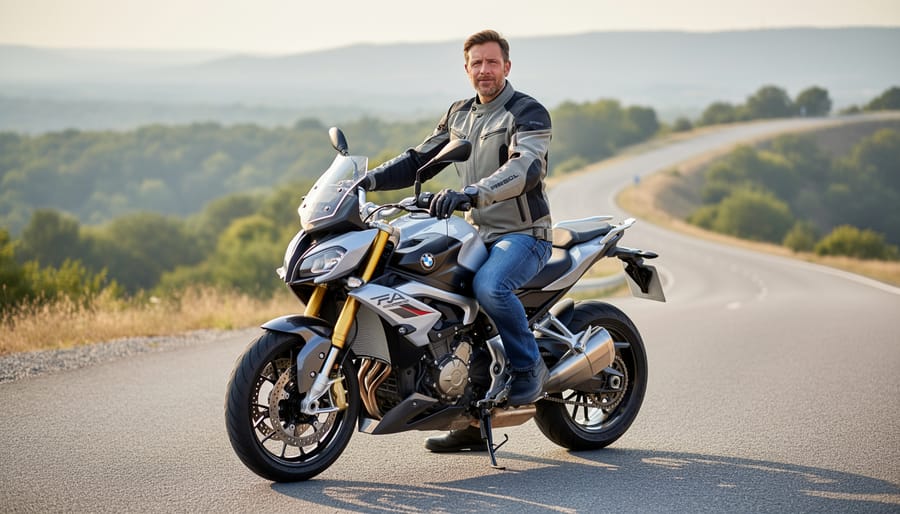
The R 1300 GS is the bike the rest of BMW’s Adventure lineup gets measured against. BMW Motorrad describes it as the top model of its Adventure motorcycles, and in our hands-on experience, that label shows up in how it carries itself. It feels like the reference point: capable on a commute, ready for a weekend away, and sporty enough that you don’t feel you’re giving anything up.
So why does it earn the flagship tag? It’s the one the other two orbit. The R 1300 GS Adventure builds on it for long-distance comfort, and the F 900 GS leans harder into off-road focus. Start with the R 1300 GS and you can see exactly what each of those trade-offs means.
Who is it for? Riders who want one bike to do a lot of things well, and who’d rather grow into a machine than outgrow it. If your riding around the GTA mixes city streets, highway stretches, and the odd gravel detour, it’s a natural fit.
A note from the shop floor: a flagship is still a big bike. Get a proper fit check and a test ride before you commit, and confirm current specs with a BMW Motorrad retailer.
R 1300 GS Adventure: Built for Distance and Comfort
The R 1300 GS Adventure is the one we’d point you toward when the ride plan involves serious mileage. BMW describes it as having the automated shift assistant, optimised ergonomics, and plenty of other features, and those first two do the heavy lifting on a long day.
Here’s the shift assistant in plain terms. Instead of working the clutch lever and the shifter for every gear change, the bike handles much of that choreography for you. In practice that means smoother, less lever work, which adds up when you’re stuck in stop-and-go traffic leaving the GTA or grinding through a full day of twisty back roads. Less fiddling means fewer jerky shifts and a calmer left hand.
Ergonomics matter just as much. The way you sit, reach, and brace over hours decides whether you finish a ride fresh or sore. We always tell riders to sit on the bike and spend real time in the saddle before committing, since fit is personal.
Now for the insider part. Former bikers on our team almost always start the same way: protection and comfort. Riders commonly consider things like crash protection, a windscreen suited to their height, luggage for touring, and a seat that suits their body. Check with a BMW Motorrad retailer or our shop about what fits your bike, and never skimp on proper installation.
F 900 GS: The Off-Road-Minded Middle Ground
The F 900 GS is the one in this lineup that feels like it was built by people who actually leave the pavement. BMW describes it as having a powerful engine and a sleek body, and it positions the bike as uncompromising in off-road use. That last phrase is the key to understanding it.
Where the R 1300 GS and R 1300 GS Adventure lean into flagship presence and long-haul tech, the F 900 GS sits in the middle as the more trail-minded choice. It’s the bike you reach for when gravel roads, rutted fire trails, and a bit of mud are the plan rather than the exception. The sleeker body also gives it a sportier, more agile feel, which is what a lot of riders mean when they type “sports model BMW” into a search bar.
From a former-biker perspective, this is the kind of machine that rewards a confident rider who wants to grow. It won’t baby you, and that’s the appeal. Just remember that off-road capability only counts if your skills match it, so pair the bike with proper training and protective gear before pushing your limits.
If trail credibility matters more to you than touring gadgets, the F 900 GS deserves a serious test ride.
Head-to-Head: Performance, Off-Road Ability, Features, and Comfort
Performance and Sporty Feel
When we talk about a sporty feel, the F 900 GS is the one that tends to spark the conversation. Its powerful engine and sleek body give it a lighter, more eager personality, and that suits riders who like to attack a twisty backroad before heading onto the trail.
The R 1300 GS plays a different game. As the top model of BMW’s Adventure range, it’s the benchmark, the bike that does the most things well rather than one thing sharply. The R 1300 GS Adventure shares that flagship DNA but leans toward distance, with the automated shift assistant and optimised ergonomics smoothing out long days.
None of this is about raw numbers. Confirm exact specs with a BMW Motorrad retailer, then ride them back to back.
Off-Road Capability
The F 900 GS is the one that feels most at home when the pavement ends. BMW calls it uncompromising in off-road use, and that matches what we noticed on loose, rutted trail: it’s the bike that rewards a rider who wants to get dirty. The R 1300 GS and R 1300 GS Adventure are capable on trails too, but they feel heavier when the going gets technical, so they suit gravel roads and fire tracks better than tight, rocky stuff.
Whichever you choose, ride within your skill level. Take an off-road training course before you tackle serious terrain, and wear proper boots, gloves, a jacket with armour and a good helmet. Our former-biker crew says the same thing: confidence comes from practice, not from the bike. For more on safety on two wheels it’s worth a read before your next ride.
Features, Rider Aids, and Long-Haul Comfort
Long days are where the R 1300 GS Adventure earns its keep. The big feature is BMW’s automated shift assistant which handles clutch and lever work for you. In stop-and-go traffic or on a tiring highway stretch, that means less left-hand fatigue and smoother, more consistent shifts.
BMW also lists optimised ergonomics for this model. Over hours in the saddle, a comfortable reach to the bars and a relaxed posture matter more than any spec sheet number. That’s why a proper fit check beats guessing. Sit on it, ride it, and see how your wrists, back and knees feel before you commit.
Who Should Choose Which BMW Adventure Bike
The honest answer to “which one?” is that it depends on how you actually ride, not how you picture yourself riding. As former bikers who’ve spent plenty of time around these machines, we’ve seen riders buy for the fantasy trip and then use the bike for Tuesday commutes. Be real about your mix, then match it.
Here’s the quick sort:
- Choose the R 1300 GS if you want the flagship all-rounder that handles the commute, the weekend trail and the occasional road trip.
- Choose the R 1300 GS Adventure if you prioritize touring comfort and rider aids like the automated shift assistant over everything else.
- Choose the F 900 GS if you prioritize off-road capability and a sportier, more playful feel.
Experience matters too. If you’re newer to adventure bikes, a lighter-feeling machine like the F 900 GS is easier to learn on, especially once the pavement ends. Riders racking up long days across provinces will appreciate how the R 1300 GS Adventure’s optimised ergonomics cut fatigue. If you split your week between stop-and-go GTA traffic and the odd gravel road, the standard R 1300 GS is the sweet spot.
Whatever you lean toward, don’t buy off a spec sheet. Book a test ride and get a proper fit check, because seat height, reach and how the bike feels at a standstill matter more than any brochure number. It’s worth stopping by a Toronto motorcycle hub to sit on all three back to back. If you’re unsure about setup or fit, here’s where to get help.
Make It Yours: Insider Customization and Setup Tips
Most riders we talk to at the shop want their bike to feel like theirs, and the good news is the best upgrades are usually the simplest. Start with protection. If you plan to ride trails or gravel, think about guards for the engine and hands, and a skid plate. A tip-over at low speed is common off-road, and a little armour keeps a small mistake from turning into a big repair.
Next, ergonomics. A bike that fits you is safer and far less tiring, so we’d tweak the controls before anything cosmetic. Adjust lever reach and bar position so your wrists stay relaxed, and ask about seat options if you ride long days. Many former riders on our team swear by getting a proper fit check first, then changing one thing at a time.
Luggage is where people overdo it. Check your bike’s load limits and keep heavy items low and close to the centre. Packed unevenly, even a great adventure bike gets twitchy, so rebalance your load before every long ride.
For Ontario riding, think about lighting. Early sunsets and rural roads mean extra lighting can really help you see and be seen, but it must be mounted and wired correctly so it doesn’t strain the electrics.
Finally, set up your tires and suspension for the riding you actually do. Tires and suspension settings that suit pavement commutes differ from those for loose trails. If you’re unsure, have a qualified technician handle installation and setup, and always ride within your skill level.
Putting Them to the Test: BMW Motorrad ADV-X 2026 Key Details
If you want to find out what an adventure bike can really do, BMW Motorrad ADV-X 2026 is worth a look. Think of it as a proving ground for the GS family we’ve been comparing, the kind of place where ergonomics, rider aids and off-road manners stop being spec-sheet talk and start being something you feel at the end of a long day.
Here are the verified key details:
- Dates: September 6-12, 2026.
- Route: a new point-to-point ride from Calgary, Alberta to Kelowna, British Columbia.
- Bike transport: available for participants’ motorcycles from select BMW Motorrad retailers.
- Training: optional pre-event off-road training is offered.
A point-to-point route means you finish in a different place than you started, so you’re covering real ground instead of looping back to camp. That suits a bike like the R 1300 GS Adventure, built for distance, though it also rewards the nimble, trail-minded feel of the F 900 GS.
The optional off-road training is the part we’d lean toward, especially if dirt riding is new to you. A bit of coached practice goes a long way, and it lets you ride within your skill level, which is the safest way to explore a bike’s limits. Pack proper protective gear regardless of the terrain.
Because event details can shift, confirm everything directly with BMW Motorrad before making plans, including how transportation works with your nearest participating retailer.
BMW Adventure Bike FAQs
Riders ask us the same handful of questions before they commit to a BMW adventure bike, so here are straight answers based on what BMW Motorrad has published and what we’ve seen at the shop.
Which BMW is the best sporty adventure bike?
It depends on what “sporty” means to you. The R 1300 GS is described as the top model of BMW’s Adventure lineup, while the F 900 GS pairs a powerful engine with a sleek body and a trail-focused attitude.
What’s the difference between the R 1300 GS and the R 1300 GS Adventure?
The R 1300 GS Adventure is described as having the automated shift assistant, optimised ergonomics and many other features aimed at long days in the saddle. For exact equipment, trims and pricing, check with a BMW Motorrad retailer.
Is the F 900 GS a good off-road bike?
Yes. BMW describes it as uncompromising in off-road use, which makes it the natural pick if trail credibility matters most. Pair it with proper off-road training and protective gear.
Can I take part in ADV-X 2026 with my own bike?
The event runs September 6 to 12, 2026, on a new point-to-point route from Calgary, Alberta to Kelowna, British Columbia. Transportation is available for participants’ motorcycles from select BMW Motorrad retailers, and optional pre-event off-road training is offered.
If you’re planning a purchase or a cross-country trip, take a minute to review the motorcycle registration basics so your paperwork is sorted before you ride away.
One last tip from our former-biker crew: don’t judge any of these bikes from a spec sheet alone. Book a test ride, check how the seat and bars fit you, and confirm current details with your BMW Motorrad retailer.
So, which sports model BMW is right for you? It comes down to how and where you ride. The R 1300 GS is the do-it-all flagship, the R 1300 GS Adventure rewards long days with its automated shift assistant and optimised ergonomics, and the F 900 GS is the one to pick if trails are your priority.
Specs only tell you so much. Throw a leg over each bike, get properly fitted, and see how it feels at a standstill, in a tight turn, and with your own gear on. Then bring your questions to the MotoSportsX Nationals team. We can talk setup, suspension and tire choices for your riding, and customization that actually earns its place, from protection to luggage.
Whichever you choose, ride within your skill level, wear full gear every time, and consider off-road training before you head down a rough trail. Now get out there and enjoy the ride.