
What Is a Location Identifier (and How Does It Work in Motorcycle Registration)?
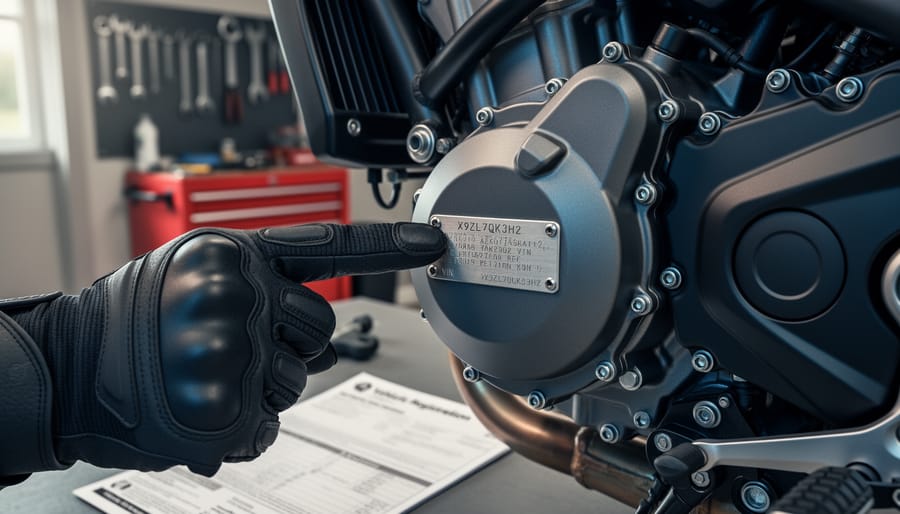
A location identifier is a standardized code or designation system used to mark the origin, manufacture, or assembly point of motorcycles, parts, and components. Think of it as a geographic fingerprint that tells you exactly where something came from, whether it’s a frame stamped with a plant code, a VIN prefix indicating the country of manufacture, or a dealer identifier on your registration documents.
For riders in the Toronto area and across Canada, these identifiers show up every time you register a bike, order parts, check recall notices, or verify authenticity during a used purchase. They’re embedded in Vehicle Identification Numbers, stamped on engine cases, printed on tire sidewalls, and logged in service records. Understanding how to read them gives you instant insight into your motorcycle’s heritage and helps you avoid counterfeit parts or misrepresented bikes.
Location identifiers matter most when the details count. Buying a used sportbike advertised as Japan-built? The VIN’s first character will confirm or expose that claim in seconds. Ordering OEM fairings for your supersport? The part’s location code ensures you’re getting components manufactured to the same spec as your original bodywork. Filing a warranty claim? Your dealer uses these codes to route paperwork to the correct regional distributor.
This guide breaks down the types of location identifiers you’ll actually encounter as a rider, explains how to decode the ones stamped on your machine right now, and shows you when these codes protect your investment.
What a Location Identifier Means for Riders
For riders, a location identifier is a coded string, usually letters and numbers, that tells the system where your motorcycle lives, where it was sold, or where it gets worked on. Think of it as an address marker built into the paperwork: your registration certificate shows a jurisdiction code tied to Ontario and Toronto, your insurance form lists a territory identifier based on your postal code, and your service records stamp in the shop’s location every time you get an oil change or tire swap. These codes don’t just sit there looking official; they work behind the scenes to link your bike to the right rules, the correct parts network, and the proper claim channels.
When you register a bike in Toronto, the province assigns a code that flags your machine as an Ontario-registered vehicle subject to local emissions standards and safety requirements. That same code appears on your plate and ownership document, making it easy for police, border agents, and ServiceOntario staff to verify your compliance at a glance. Insurance companies read your postal code and convert it into a risk zone identifier, which directly affects your premium, downtown Toronto gets a different rate than a rural township because theft and accident patterns vary by location.
Here are the core location identifiers you’ll see across your motorcycle’s lifecycle:
- VIN Location Codes
- Embedded markers within the vehicle identification number that indicate the manufacturing plant and sometimes the initial destination market. They help track recalls and verify import status.
- Registration Jurisdiction Codes
- Provincial or municipal codes on ownership documents and plates that specify which government authority oversees your bike’s legal status and safety inspections.
- Dealer Location Codes
- Alphanumeric identifiers assigned to authorized dealerships and service centers, used by manufacturers to process warranty claims and route parts orders to the correct regional network.
- Service Point Identifiers
- Shop-specific codes logged in service databases and maintenance records, allowing anyone checking your bike’s history to see where previous work was performed and by whom.
For dealerships and independent shops, these codes streamline communication with manufacturers and parts suppliers. When we order a replacement clutch or process a warranty repair at MotoSportsX, our shop code tells the system we’re a Toronto-based service point, which triggers the right parts inventory, shipping route, and warranty approval path. Insurers use the same logic: your location identifier connects your claim to the appropriate adjuster territory and determines which repair facilities are in-network for your policy.
From a rider’s perspective, location identifiers are the hidden threads that make sure your bike’s paperwork, service history, and coverage all line up correctly. They’re not something you’ll reference daily, but understanding what they represent helps you catch errors on documents, verify a used bike’s background, and know why your insurance company cares so much about your postal code.
How Location Identifiers Work in the Motorcycle Industry
Registration and Compliance Tracking
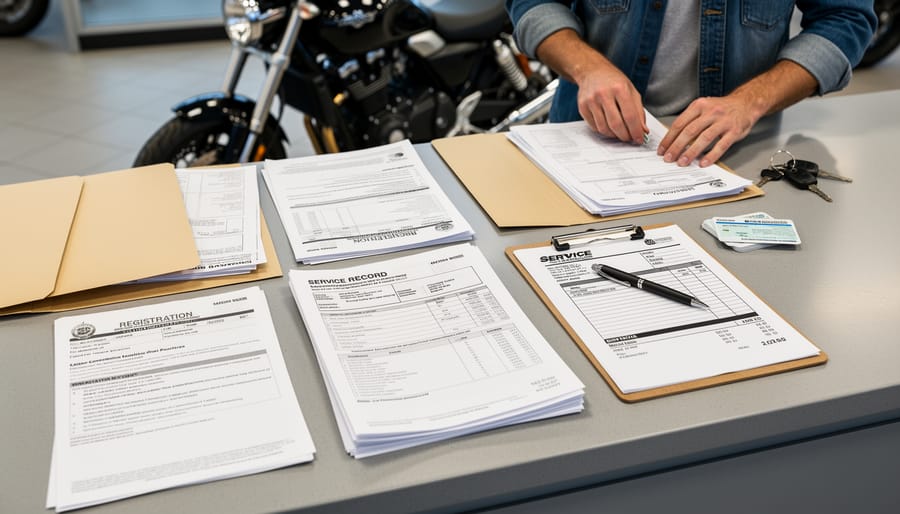
Provincial and municipal authorities in Ontario rely heavily on location identifiers to enforce registration rules and track compliance across different jurisdictions. Your motorcycle’s location code, embedded in your registration and linked to your postal code, determines which emissions testing requirements apply, when your plate sticker renewal is due, and which regional safety standards govern your bike. In Toronto, these codes help ServiceOntario flag vehicles requiring Drive Clean testing and verify that modifications meet city-specific noise bylaws.
Location identifiers also enable cross-referencing between municipal databases and provincial records, ensuring that insurance coverage, registration status, and safety certifications align with where you actually ride. When you renew your registration or transfer ownership, the system automatically checks your location code against outstanding tickets, expired inspections, and regional compliance requirements. This tracking mechanism is what keeps safety on two wheels enforceable at a regulatory level, authorities can pinpoint which bikes are operating in their jurisdiction and whether they meet local standards.
For Toronto riders, understanding how your location identifier affects compliance helps you stay ahead of renewal deadlines and avoid surprises during roadside checks or ownership transfers.

Dealership and Service Network Coordination
When a manufacturer issues a warranty claim or initiates a recall, location identifiers help route that information to the correct regional network. Your bike’s service history carries embedded location codes that tell the system where it was originally sold and which dealers have performed authorized work. This matters because warranty coverage often depends on verifying that previous service happened at recognized locations within the manufacturer’s network.
Parts inventory management relies heavily on these codes too. Distributors stock regionally based on what models are popular in specific areas, Toronto shops maintain different inventory than rural Alberta dealers because riding seasons, terrain, and bike preferences vary. When we order parts at MotoSportsX, supplier systems check our location code to determine which warehouse ships fastest and whether certain components are even available in our territory.
For independent shops like ours, these identifiers help verify a bike’s service history when a customer brings in a machine from another region. We can trace previous work through the codes embedded in service records, which tells us what’s already been done and whether any open recalls apply. Location codes also affect turnaround time, getting the right part for a bike originally sold in British Columbia to a Toronto shop involves coordinating across regional distribution networks that all operate using these standardized location markers.
Different Types of Location Identifiers You’ll Encounter
Government Registration Codes
In Ontario, government registration codes start with your license plate identifier, a combination that reflects the province and, in some cases, the issuing municipality. Your registration certificate and safety certificate both carry these codes, and they’re cross-referenced in provincial databases every time you renew, transfer ownership, or pass an emission test. Toronto-area riders see municipal codes on safety inspection forms, which confirm that your bike meets regional standards before you can complete registration.
During annual renewals, the system checks these codes to verify you’re complying with Ontario-specific requirements, like the Drive Clean emissions test that applies in the Greater Toronto Area. If you’re buying a used bike from another region, mismatched location codes can flag potential issues with prior registrations or outstanding recalls. When transferring ownership, both buyer and seller need to ensure the registration code matches the current jurisdiction; any discrepancy can delay processing or trigger additional verification steps. Keeping these codes accurate is part of any comprehensive rider safety checklist since they directly affect your ability to legally operate on Ontario roads.
Industry and Dealer Identifiers
Every motorcycle manufacturer assigns unique dealer codes to authorized service centers and retail outlets across North America. These alphanumeric identifiers, typically five to eight characters, link a bike’s service records to specific shops in the company’s network. When you file a warranty claim or order OEM parts, the system automatically routes requests based on these codes, determining which distribution center ships components and how quickly they arrive.
Independent shops operate differently. At places like MotoSportsX, we don’t carry manufacturer dealer codes, which means sourcing certain parts requires extra steps. We work with multiple aftermarket suppliers and cross-reference manufacturer part numbers to find equivalents. This approach often saves you money on non-warranty work, but it can add a day or two when ordering specialized OEM components that authorized dealers keep in stock. The trade-off? You get personalized service and honest advice without the pressure to use only branded parts.
Understanding these dealer identifiers helps explain why warranty work typically requires visiting authorized centers while routine maintenance and upgrades offer more flexibility in choosing your shop.
Insurance and Risk Zone Markers
Insurance companies rely on location identifiers, primarily postal codes and municipal boundaries, to calculate your motorcycle premiums and determine coverage eligibility. Your Toronto address gets translated into a risk zone that factors theft rates, accident frequency, weather patterns, and repair costs specific to your neighbourhood. A bike registered in downtown Toronto typically carries higher premiums than one in a suburban postal code, even if both riders have identical records.
Insurers use these location markers to process claims quickly, routing you to approved repair shops in your area and verifying coverage limits based on where the incident occurred. When you move or change your registration address, your insurer recalculates your risk profile using the new location identifier, which can raise or lower your rates significantly.
Before you buy coverage, compare quotes using your exact postal code rather than a general city name. Small geographic differences, sometimes just a few blocks, can shift you into a different risk zone with meaningfully different premiums. If you’re shopping for a used bike, check where it’s currently registered; transferring ownership to your Toronto location will trigger a premium adjustment based on your specific risk zone, not the seller’s.
Where Location Identifiers Are Used in Real Situations

You’ll run into location identifiers at nearly every point in your bike’s lifecycle. When you’re browsing a used motorcycle on Kijiji or at a dealer, the VIN’s location marker tells you where it was originally sold, spotting an Alberta code on a Toronto listing raises questions about how the bike got here and whether it’s seen harsh winters or long highway miles. Pull the vehicle history report, and you’ll see registration location codes tracking everywhere the bike’s been titled, which can reveal if it bounced between provinces or stayed local its whole life.
Getting insurance quotes is where your own location identifier hits home. Toronto riders know insurers carve the city into postal-code zones, and living in M6H versus M4E can swing your premium by hundreds of dollars annually because those codes map to different theft rates and claim histories. When you call for a quote, the first thing they ask is your postal code, that’s your location identifier determining your risk category before they even hear what you ride.
Warranty work puts location identifiers back in play. Your dealer uses their code to file claims with the manufacturer, and if you bought the bike elsewhere, they’ll reference the original selling dealer’s location code to verify coverage. We’ve seen riders move from Vancouver to Toronto mid-warranty, and the system tracks that migration through updated registration location codes, ensuring claims route correctly even when you’re far from where you bought.
Ordering custom parts often requires your location code to calculate shipping, confirm provincial regulations on modifications, and sometimes verify you’re in a dealer’s service territory. Transferring ownership means updating the registration location identifier to reflect the new owner’s address, which triggers reassessment of insurance zones and tax jurisdictions.
Can I register a bike with an out-of-province location code?
Yes, but you’ll need to re-register it in Ontario, which updates the location identifier to your current jurisdiction. This typically requires a safety certificate and proof of ownership from the original province.
How does my postal code affect insurance?
Insurers use postal codes as location identifiers to assess regional risk factors like theft rates, accident frequency, and claim history. Moving even a few blocks can shift you into a different risk zone with noticeably different premiums.
Will a different location identifier affect warranty service?
No, manufacturer warranties follow the bike regardless of location changes. Service centers use location codes to route claims properly, but moving provinces or cities won’t void your coverage.
These scenarios show why location identifiers aren’t just abstract codes. They’re functional tools that determine what you pay, where you can get service, and how smoothly ownership transitions happen, especially in a market as active as Toronto’s.
Why Location Identifiers Matter for Industry Recognition
Location identifiers do more than route paperwork, they shape how the motorcycle industry recognizes expertise, analyzes markets, and builds trust. Manufacturers rely on these codes to spot where demand clusters, which helps them decide where to open dealerships, schedule demo events, and allocate inventory. When Toronto consistently shows high registration and service activity under its location codes, it signals to brands that the region deserves dedicated support and resources.
Industry associations use aggregated location data to track regional trends, seasonal riding patterns, popular bike categories, common service needs, which informs safety campaigns, training programs, and advocacy efforts. These insights also feed into motorsports broadcasting strategies, helping networks understand where audiences are concentrated and which events will resonate locally.
For service providers, location-based certification matters. Shops tied to specific geographic codes earn recognition from manufacturers as authorized service centers, which affects warranty eligibility, parts access, and training opportunities. MotoSportsX’s Toronto location code connects it to regional networks that verify its credentials and track its service history, factors riders can check when choosing where to take their bikes. This isn’t just administrative; it’s a trust marker. When a shop’s location identifier shows consistent service records and manufacturer relationships, it signals established expertise within the local motorcycle community.
Location codes also help riders verify credibility. A dealership or shop with a traceable location history and documented service relationships offers more transparency than an unregistered or frequently relocated operation. In Toronto’s tight-knit riding scene, these codes quietly confirm who’s been here, who’s trusted, and who’s earned recognition through consistent work.
Location identifiers aren’t just administrative codes, they’re the connective tissue linking riders to the services, documentation, and regional networks that keep motorcycles legally on the road. Whether you’re verifying a used bike’s history, sorting out insurance territory rates, or confirming warranty coverage at a Toronto shop, these alphanumeric markers help you navigate the practical side of ownership with more confidence.
For Toronto-area riders, understanding how registration jurisdiction codes, dealer identifiers, and insurance zone markers work means fewer surprises during transfers, renewals, and service visits. You’ll know what riders need to ask when a dealer mentions a location code on your paperwork, or when an insurance quote reflects your postal zone.
Next time you’re buying, insuring, or servicing your motorcycle, don’t hesitate to ask about the location identifiers attached to your bike. Understanding these systems puts you in a stronger position, whether you’re negotiating a used purchase, choosing a service center, or confirming your registration is current. The more you know about how these codes function, the smoother your interactions with the industry become.